Monthly Archives: October 2014

824 Orange St. Top Plate Replacement

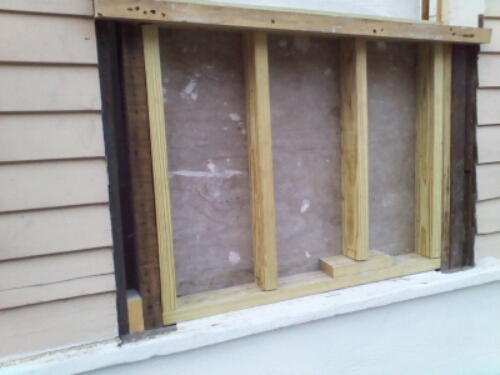
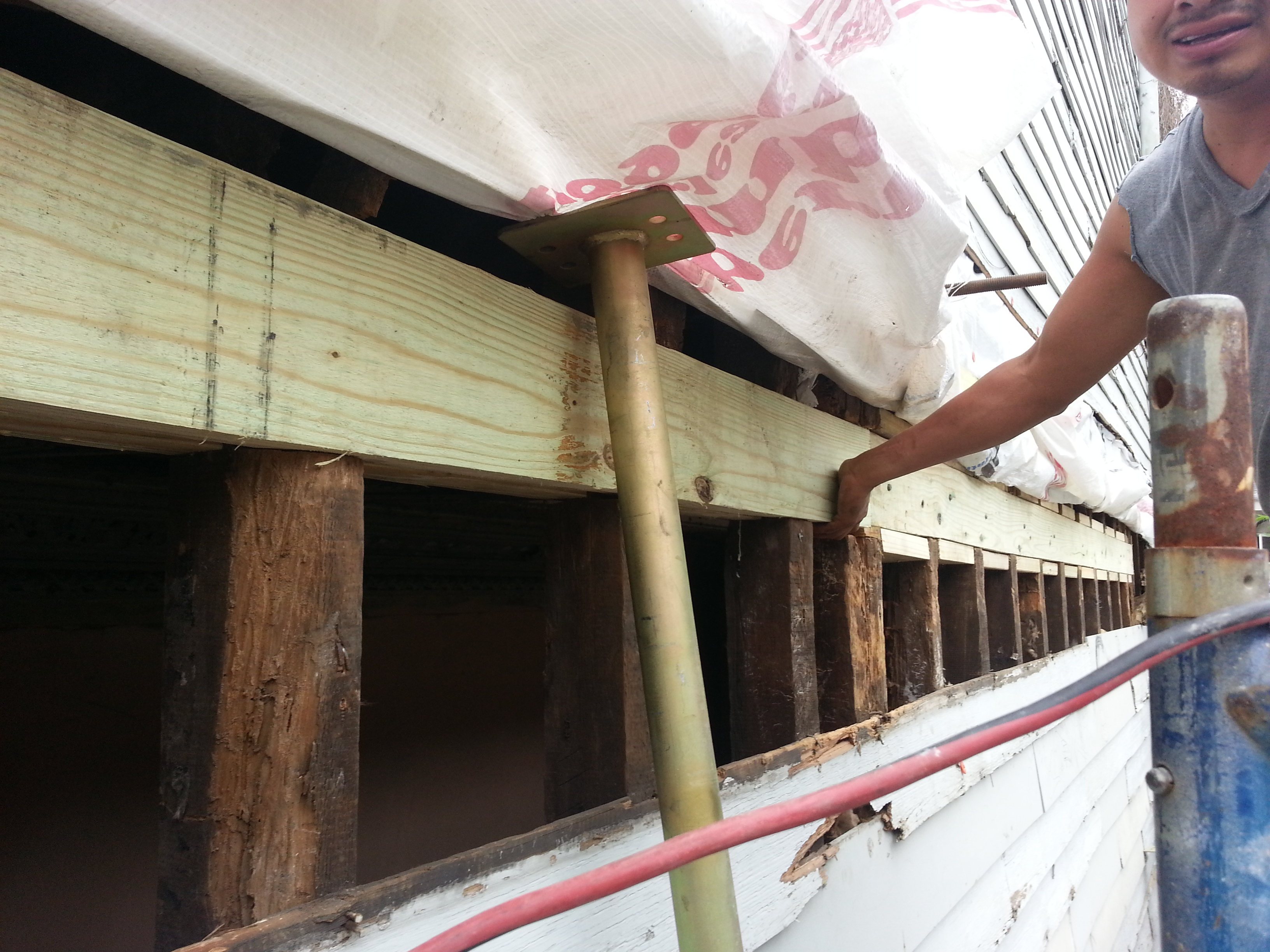
The original plate separating the first and second floors is post and beam construction using mortise and tenon joinery and wooden pins.     Approximately 40 feet of the plate had to be replaced. The first and second floors were reinforced and then slightly separated. The old plate was removed in sections. The new plate was constructed in place using a laminating technique. Lumber was planed and then glued and screwed together.

image

image

The new plate consists of 3 pieces, two outer and an inner piece, notched to create a mortise pocket when the pieces are  assembled. This allowed the new plate to have mortise pockets to receive the stud tennons, long plate sections to be joined as one piece, and post mortise pockets to receive the plate tennons. Thus the replacement plate is installed maintainng the original post and beam construction.

image


Shed Roof Debacle

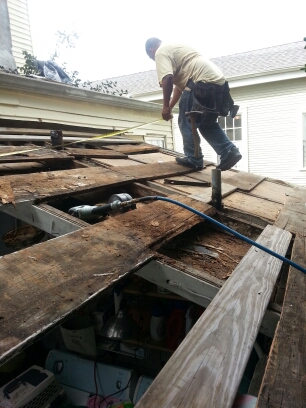
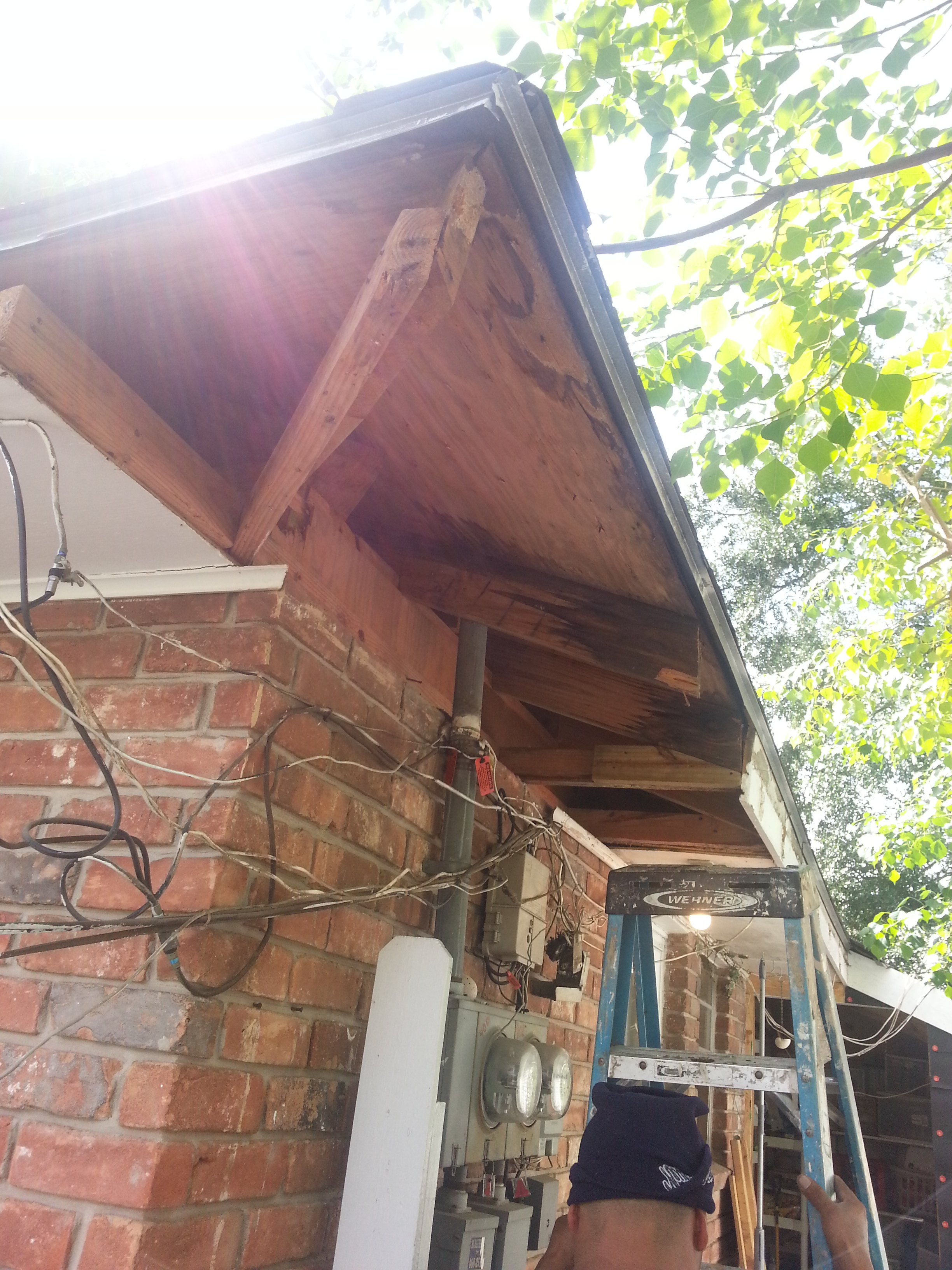
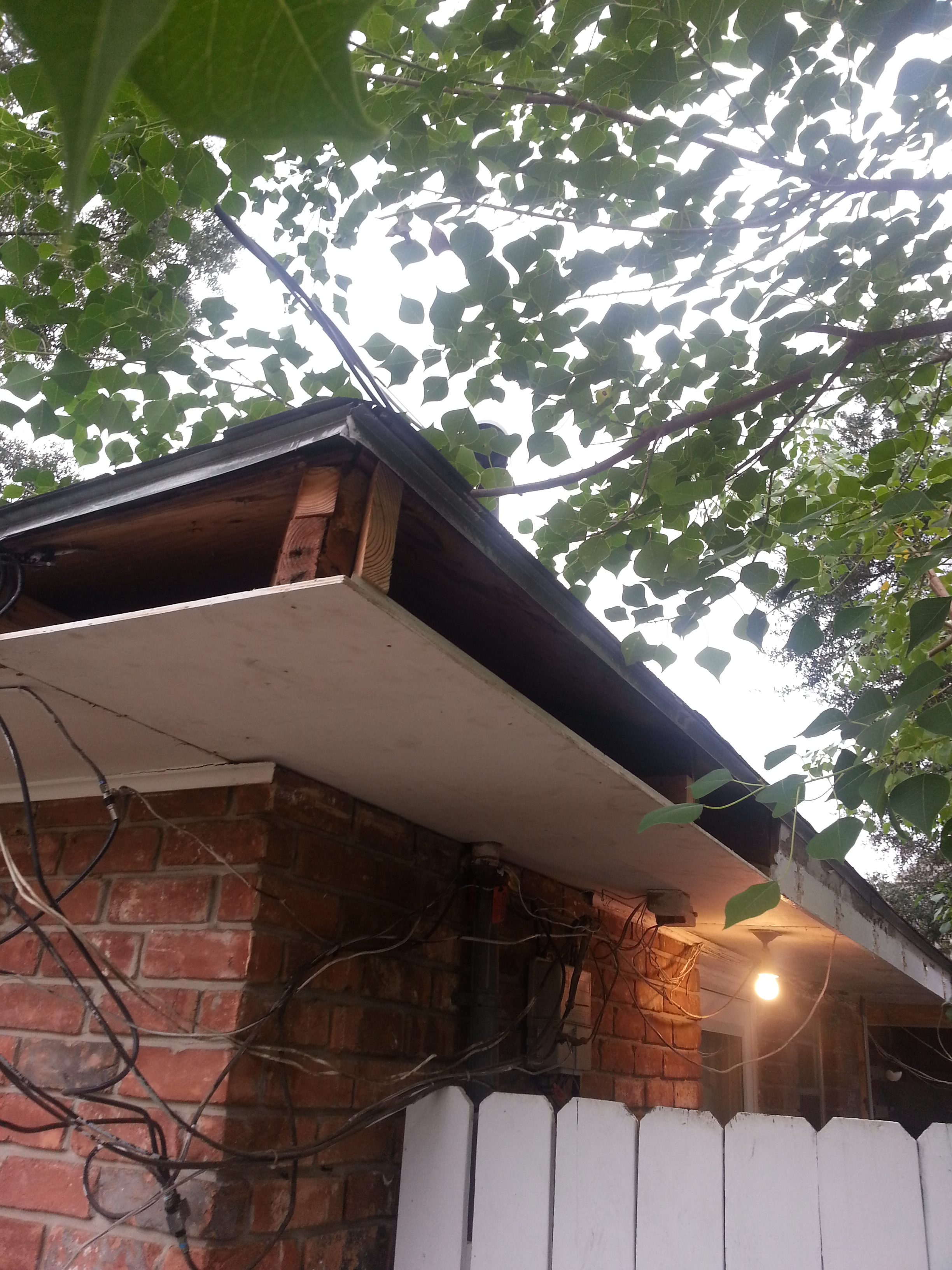
I initially thought there was just a minor leak, however the damage was fairly extensive. There seemed to be several potential leak sources, one of which is the roof to wall connection, that is part of another (kitchen) roof. There is a second roof that drains toward this lower shed roof.
image

Sub-standard construction complicated the repair. Luckily,  I had some old 1 inch                   thick by 6 inch wide deck planks that I could use to reinforce the roof structure.

image

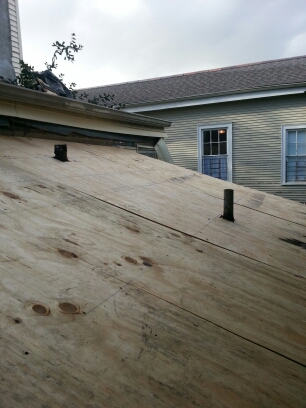
I’m trying do a relatively modest repair here,  but the irregularities  are a  nuisance.                     The shed is made from salvaged materials.  I decided to go with  a 5/8 cdx plywood deck as I tend to avoid 1/2 plywood unless it is used over  tightly spaced planking.

image

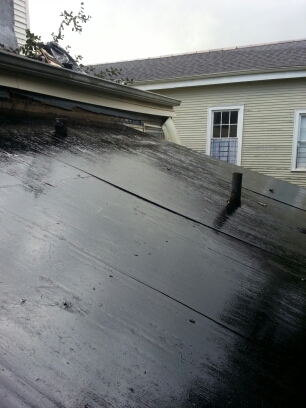
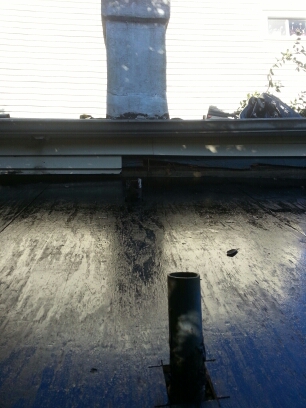
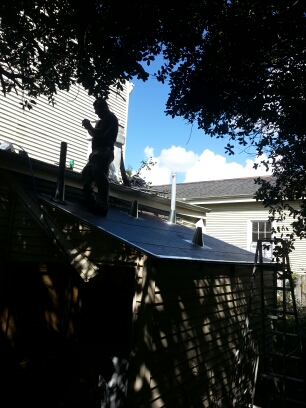
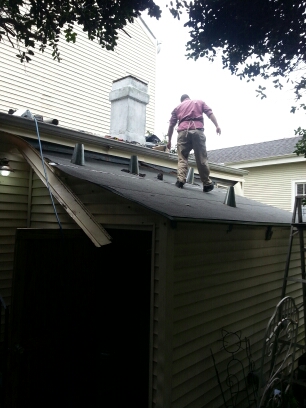
This roof only measures about 8 x12 ft.  Rather than using mineral paper underlayment, I decided to use Libertybase Sheet. It is a superior product, but costs at least 5 times more than mineral paper. This base sheet can be installed without nails and it has an adhesive backing. The trick is to prime the deck with a special primer. The primer bonds to the wood and creates a substrate that the base sheet will adhere to. The base sheet bonds to the deck.  It will not be removable.

image

The Liberty Cap sheet has an adhesive backing that bonds to the base sheet so, no nails are required for this roof.  No nails = no holes and no way for water to get between the base sheet and plywood.
image
image

image