25 ft. And 35ft. sill sections glued and screwed to create a continuous piece. I have made 60 ft. long sills this way.
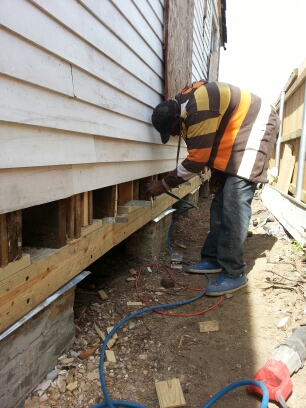
Installation of hurricane ties to studs.
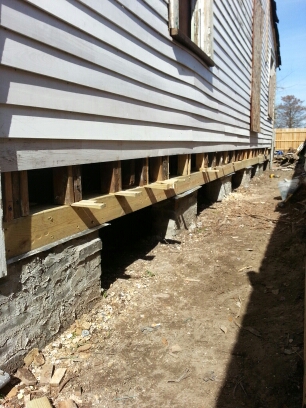
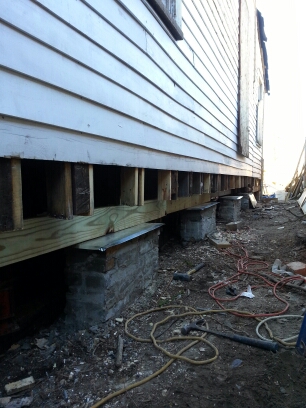
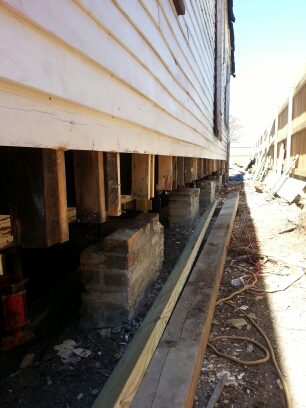
One continuous sill 35 ft. long.
Studs shimed tight and fastened with 3 inch screws or long construction lags as needed.
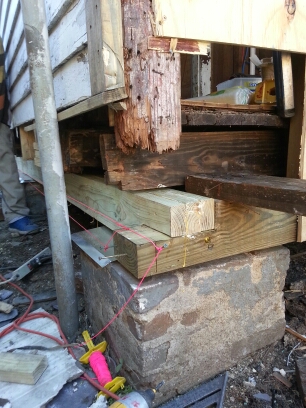
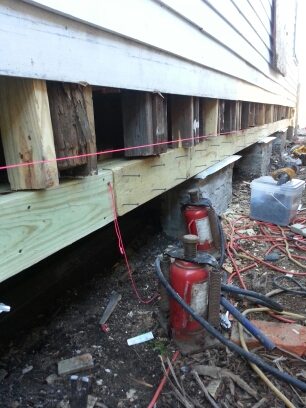
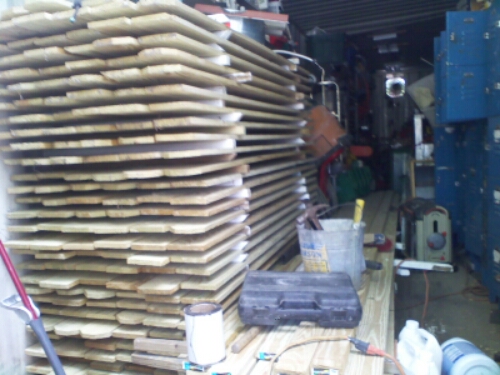
The original sill was 6×8 inches. 5 layers of pressure treated 2x6s where used. String line is used from corner to corner to create a straight sill and wall. Sill height is set with a laser line guaged from a good original section of sill.

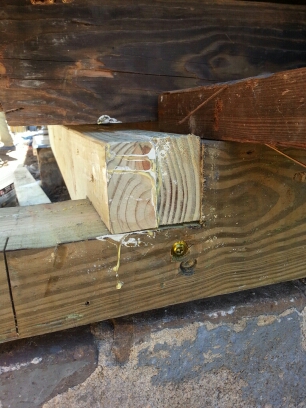
Horizontal 2×4 receding into the forground is a lever being lifted by a jack to level the older sill.
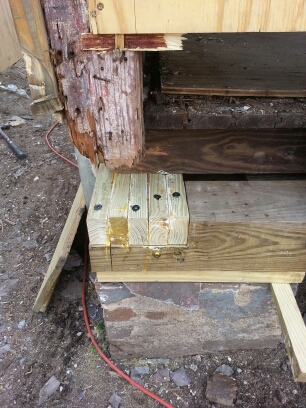
I don’t think this is not going to move now.

New work that is incorrect. Previous photo shows the sill flat because I used a lever and jack to twist it.
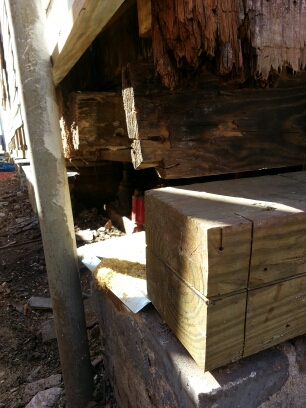
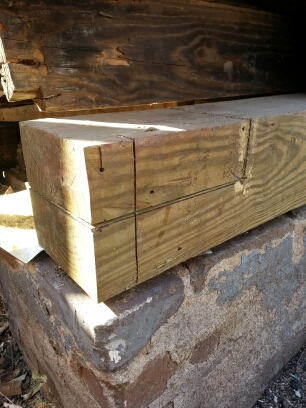

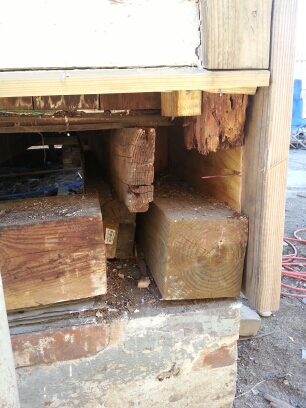

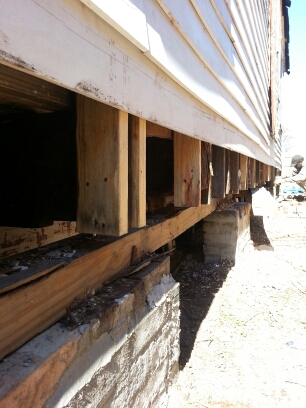
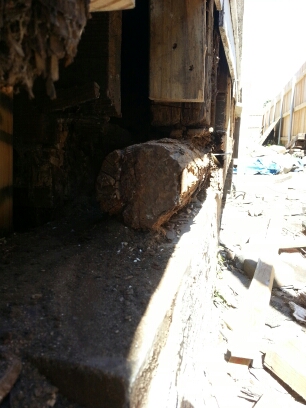
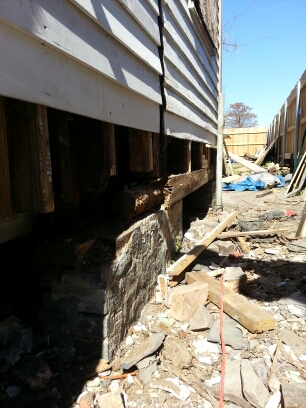
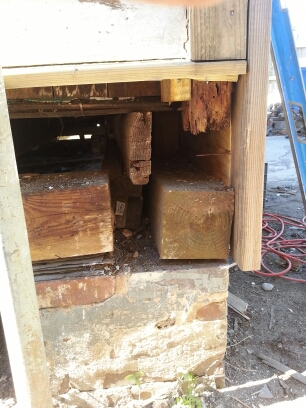
Example of bad work I corrected.

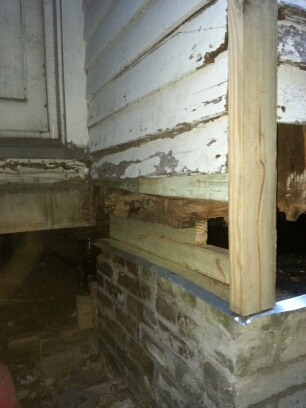
I cut back rotted wood and installed blocking. Everything is screwed right. I used lag bolt type fasteners if needed.
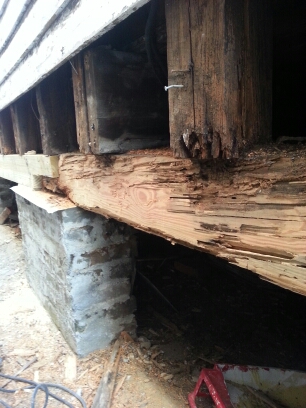
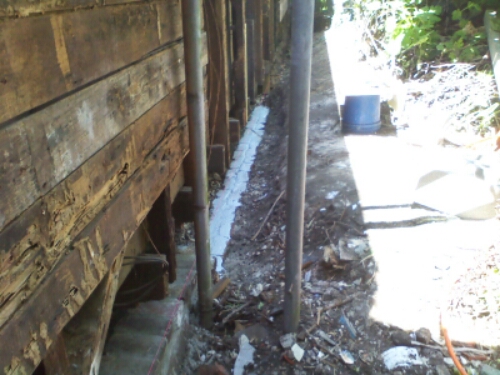
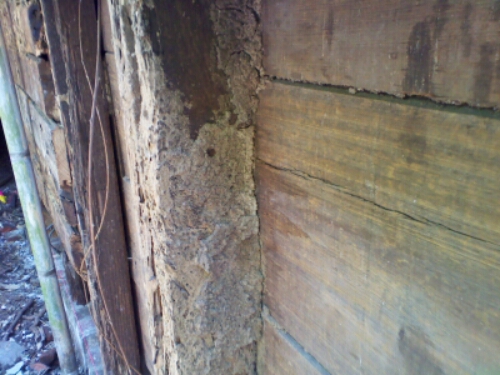
Only about 1 inch on the ouside was bad. So, I cut it back with the multi-saw and laminated a new piece on to fix it.

Lag type fasteners are 4 1/2 to 6 inches long as needed.
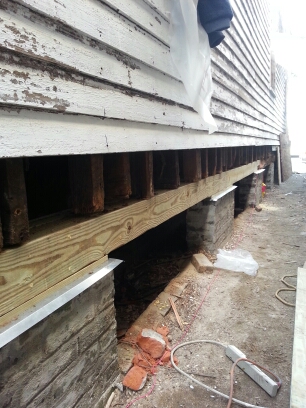
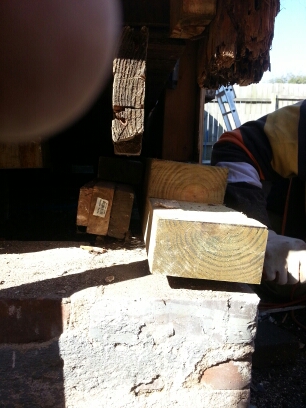
Sill is leveled to +/- 1/4 inch using a laser level. Spacing wood, planed to thickness and placed on the pier is used to level the sill in this situation.
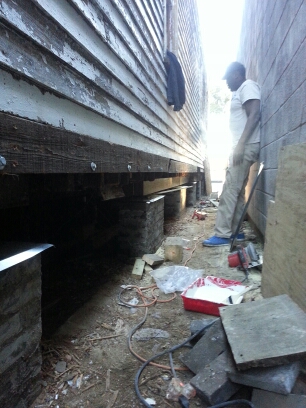
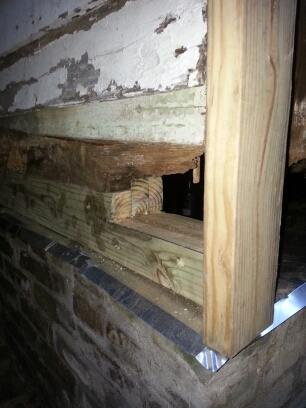

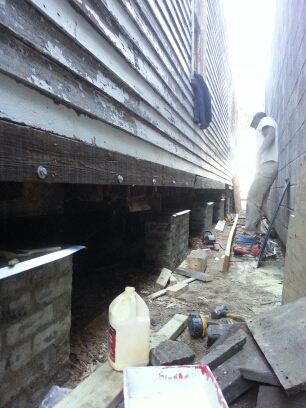
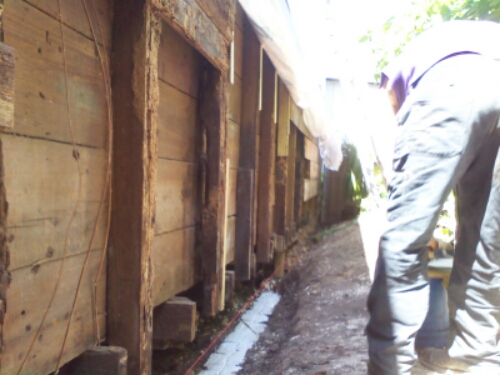
Studs and joists are bolted together inside and outside of the house to ensure everything lifts.










 LAGNIAPPE SERVICES LLC